
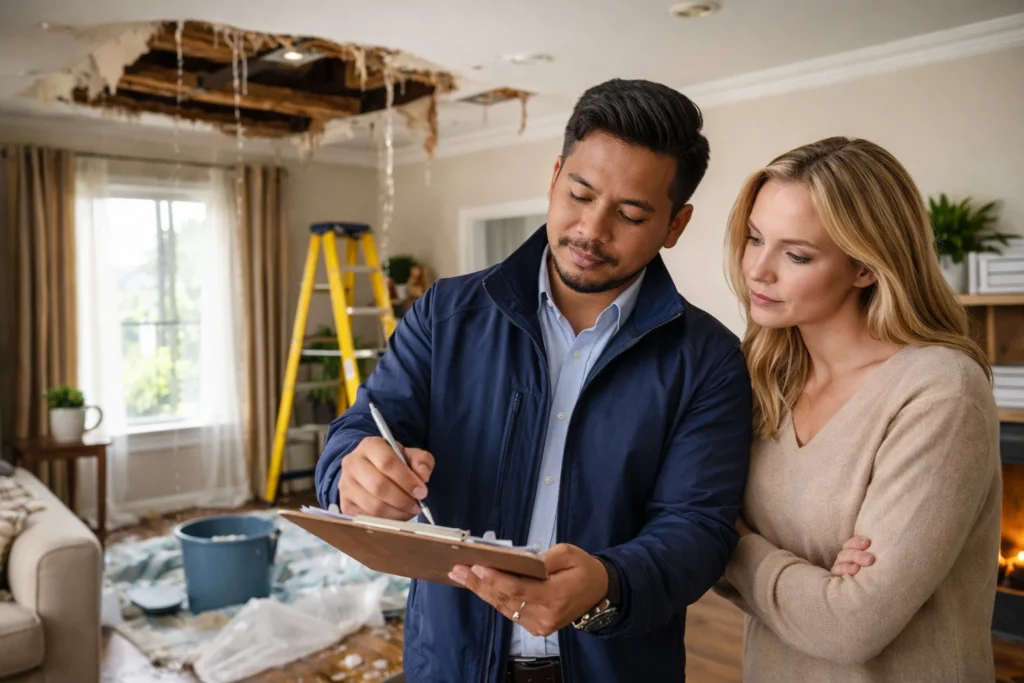
The moment damage hits your home, everything changes. One minute you’re going about your day, the next you’re staring at soaked ceilings, broken shingles, or worse fire damage. Then the insurance process begins. And that’s when most homeowners stop and ask: should I use a public adjuster?
It’s a fair question. A big one. And if you’re in West University Place, where property values are high and repairs aren’t cheap, the stakes feel even higher. I’ve seen homeowners rush decisions here and I’ve seen others take control and come out far ahead. The difference often comes down to understanding when help is worth it. Let’s break it down clearly, practically, and without fluff.
What Is a Public Adjuster and What Do They Actually Do?
A public adjuster is a licensed professional who works for you, not the insurance company. That distinction matters more than most people realize.
Here’s the quick breakdown:
| Type of Adjuster | Who They Work For | Goal |
| Insurance Adjuster | Insurance company | Minimize payout |
| Independent Adjuster | Insurance company (contracted) | Support insurer |
| Public Adjuster | You (the policyholder) | Maximize your claim |
Simple. But powerful.
Now, what do they actually do?
- Inspect and document all damage thoroughly
- Interpret your insurance policy (line by line if needed)
- Prepare a detailed claim estimate
- Handle communication with the insurance company
- Negotiate for a fair settlement
In short they level the playing field.
How the Insurance Claim Process Really Works
On paper, filing a claim sounds straightforward. In reality? It’s anything but. Here’s what typically happens:
- You file the claim
- The insurance company sends an adjuster
- They assess the damage
- You receive an estimate
- Negotiation (or acceptance)
- Final payout
That’s the official version.
The real version often includes:
- Missed damage during inspections
- Estimates that don’t match actual repair costs
- Confusing policy language
- Back-and-forth delays
And this is exactly where people start asking again: should I use a public adjuster? Because once you see how the process plays out, it becomes clear it’s not just about filing paperwork. It’s about advocating for yourself.
Should I Use a Public Adjuster? Key Situations to Consider
Let’s get practical. Not every situation requires help. But some absolutely do.
1. Large or Complex Damage
If your home has:
- Fire damage
- Major water intrusion
- Structural issues
- Multiple affected areas
You’re dealing with a complex claim. And complexity increases the chances of underpayment.
2. The Insurance Offer Feels Low
Trust your instincts here. If the numbers don’t seem right, they probably aren’t.
A public adjuster can:
- Re-evaluate the damage
- Provide a second estimate
- Push back with documented evidence
3. You Don’t Have Time
Claims take time. A lot of it.
Between inspections, calls, emails, and follow-ups, it can feel like a second job. If you’re busy and most West University Place homeowners are this alone is a valid reason to ask, should I use a public adjuster?
4. You Don’t Fully Understand Your Policy
Insurance policies are dense. Sometimes the language feels almost epistemology complex, layered, and open to interpretation. Missing one clause can cost you thousands.
A public adjuster translates the fine print into actionable steps.
5. Your Claim Is Delayed or Denied
This is where professional help becomes critical.
Delays and denials often signal:
- Disputes over damage scope
- Lack of documentation
- Policy interpretation issues
And at that point, handling it alone becomes much harder.
When You Might NOT Need a Public Adjuster
Let’s keep this honest.
You don’t always need one.
Here are situations where you might be fine on your own:
- Minor damage (small leaks, limited repairs)
- Straightforward claims with clear coverage
- Fair initial settlement from your insurer
- You’re comfortable managing the process
If everything is smooth, fast, and transparent great. Move forward. But if anything feels off, revisit the question: should I use a public adjuster?
Pros and Cons of Using a Public Adjuster
Pros
- Higher potential payouts
- Less stress and time commitment
- Professional negotiation
- More accurate damage documentation
Cons
- Fees (percentage-based)
- Not necessary for small claims
- Requires choosing the right professional
Here’s the key insight: It’s not about whether they cost money. It’s about whether they help you recover more than you would alone.
How Much Does a Public Adjuster Cost?
Most public adjusters charge a percentage of your final settlement.
Typical range:
- 10%
Now here’s the important part. If a public adjuster helps increase your claim from $60,000 to $100,000, even after fees you’re still ahead. That’s why many homeowners conclude: yes, I should use a public adjuster.
How to Choose the Right Public Adjuster in West University Place
Not all adjusters are equal. Choosing the right one matters.
Here’s what to look for:
Must-Haves
- Licensed in Texas
- Strong local experience (Houston / West University Place)
- Transparent fee structure
- Clear communication
Ask These Questions
- How many claims like mine have you handled?
- What’s your typical settlement improvement?
- How often will you update me?
Red Flags
- High-pressure tactics
- Vague answers about fees
- No local references
You want someone who’s confident but not pushy.
Real-World Example: With vs. Without a Public Adjuster
Let’s make this real.
Scenario: Water Damage Claim
| Situation | Without Adjuster | With Adjuster |
| Initial Offer | $35,000 | $35,000 |
| Final Settlement | $38,000 | $65,000 |
| Time Spent | High | Low |
| Stress Level | High | Managed |
The difference? Documentation. Negotiation. Persistence. This is where the question should I use a public adjuster becomes less theoretical and more practical.
Common Mistakes Homeowners Make When Filing Claims
I see these all the time. And they’re costly.
- Accepting the first offer too quickly
- Failing to document all damage
- Waiting too long to act
- Misunderstanding coverage limits
- Trying to handle complex claims alone
Each one chips away at your final payout.
Avoid them.
Why This Decision Matters More Than You Think
This isn’t just about paperwork. It’s about outcomes.
A lower settlement means:
- Out-of-pocket repair costs
- Compromised repairs
- Long-term property value issues
And in a place like West University Place, where homes carry significant value, even a small percentage difference can mean tens of thousands of dollars. That’s why the question should I use a public adjuster isn’t minor it’s strategic.
Final Verdict: Should You Use a Public Adjuster?
Let’s simplify it.
Ask yourself:
- Is the damage significant?
- Does the claim feel complex?
- Do I have the time and knowledge to manage this?
- Am I confident in the insurance offer?
If you answered “no” to any of these, it’s worth serious consideration.
Because the truth is simple.
Handling a claim alone is possible.
Handling it well? That’s a different story.
And often, that’s where a public adjuster makes the difference.
For West University Place Homeowners
In West University Place, homes aren’t just structures they’re investments. Protecting that investment means making smart decisions during stressful moments. And when insurance claims get complicated, having someone on your side can change everything.
So next time you find yourself asking, should I use a public adjuster, remember this: It’s not about needing help.
It’s about making sure you don’t leave money and peace of mind on the table.
FAQs
Not usually small, straightforward claims are often easy to handle on your own without paying a fee.
Yes, in many cases they identify overlooked damage and negotiate higher payouts than initial offers.
Most charge a percentage of the final settlement, typically between 10%.
The earlier, the better ideally before you accept any settlement or sign documents with your insurer.
Yes, you can bring one in at almost any stage, even after receiving an initial offer.
They negotiate with insurance companies, but they work exclusively for you not the insurer.
It can be worth it for larger or complex claims where the potential increase in payout outweighs the fee.
Timelines vary, but having an adjuster often speeds up communication and reduces delays.
Yes, public adjusters in Texas must be licensed and regulated by the state.
If it doesn’t cover full repair costs or feels rushed, getting a second opinion is a smart move.